
Grutman argues malicious publication can support liability
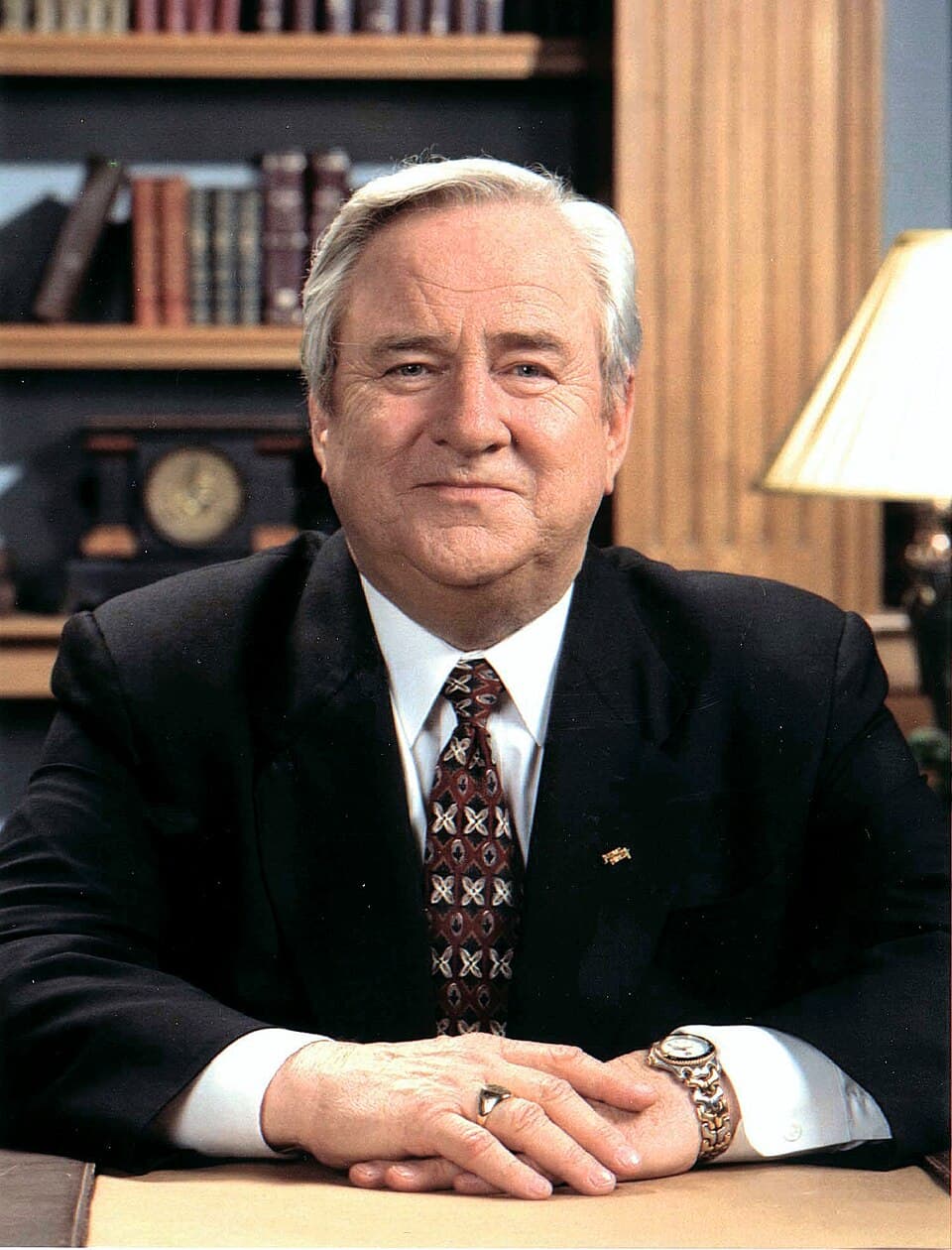
Norman Roy GrutmanAttorney arguing for Jerry Falwell
Falwell's attorney opens his argument by saying that deliberate, malicious character assassination has no First Amendment protection and that it is what was proven in the case.
“Deliberate, malicious character assassination is not protected by the First Amendment to the Constitution.”
Original text
Where this statement fits
Hustler Magazine v. Falwell: Supreme Court reverses emotional-distress award over ad parody
Hustler Magazine v. Falwell concerned a parody advertisement depicting Jerry Falwell in an offensive fictional interview. A jury rejected his libel claim because the parody could not reasonably be understood as describing actual facts, but awarded damages for intentional infliction of emotional distress. Falwell's counsel argued that deliberately malicious injury could support liability. Hustler's counsel argued that rhetorical hyperbole, satire and parody were protected. On February 24, 1988, the Supreme Court reversed the award. All participating justices agreed in the judgment; Justice Byron White wrote separately and Justice Anthony Kennedy did not participate.
Source and context
Original text
About this source
Counsel present opposing arguments about parody, public figures and intentional infliction of emotional distress.
Archived copy (opens in a new tab)Before the quotation
Grutman begins his argument for Falwell at the Supreme Court immediately after Isaacman's argument for Hustler ends.
After the quotation
He says the publication was, by the defendant's own admission, the product of a deliberate plan to attack Falwell's character and integrity and to cause him severe emotional distress, and notes that Hustler published it again after the lawsuit was filed.
How this statement is classified
The label describes this statement's response within the context above.
Why this label?
Relative to the parody, Grutman expressly attacks its publication as malicious injury that should permit liability.
- Recorded on
- Published here
More from this case
Read the full caseIsaacman defends Hustler's parody under the First Amendment
“Now, this speech is protected as rhetorical hyperbole, it's protected as satire and parody and as the expression of opinion.”Read statement
Share or embed this statement
The embed keeps its attribution link to The Dispute Index. Credit the image to The Dispute Index and link to the statement page.
Cite this record
- Publisher
- The Dispute Index
- Title
- Grutman argues malicious publication can support liability
- First published
- Last updated
- Permalink
- https://disputeindex.com/events/7289-falwell-s-attorney-opens-his-argument-by-saying
Last updated marks the most recent saved version of this published statement.
The Dispute Index. "Grutman argues malicious publication can support liability". First published: 2026-10-30. Last updated: 2026-10-30. https://disputeindex.com/events/7289-falwell-s-attorney-opens-his-argument-by-saying