
White defends library lending after the Internet Archive ruling
Molly WhiteIndependent technology writer
White argues that a library that buys a book should be able to lend it and that readers should be able to read without third parties watching them. She criticizes the Second Circuit's ruling against the Internet Archive's lending program.
“When a library buys a book, they should be able to lend it.”
Analysis
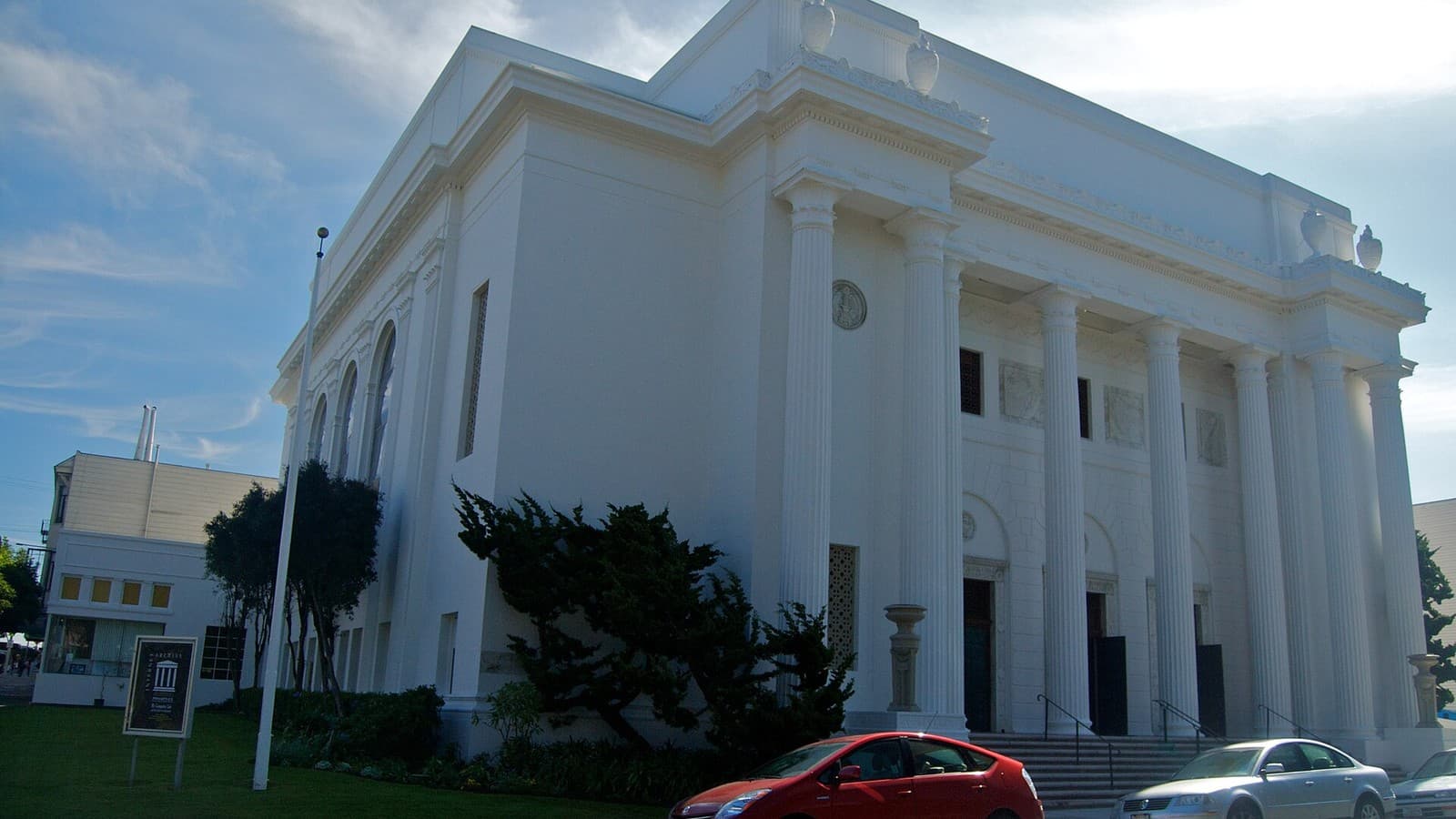
Where this statement fits
Should the Internet Archive need publishers' permission to lend scans of in-copyright books it owns?
In June 2020, Hachette Book Group, HarperCollins, John Wiley & Sons and Penguin Random House sued the Internet Archive for scanning print books and lending the digital copies online without their permission, usually one borrower at a time for each print copy the Archive or a partner library owned. A federal district court in New York rejected the Archive's fair-use defense on March 24, 2023, and on September 4, 2024, the Second Circuit affirmed, finding the lending noncommercial but not transformative and declining to carve out books the Archive owns itself. The Archive, represented by the Electronic Frontier Foundation, called the practice controlled digital lending and said it is what libraries have always done with the books they acquire; the Association of American Publishers said authors and publishers have the right to license and be paid for their books. On December 4, 2024, the Archive said it would not seek Supreme Court review, ending the case, but would keep advocating for libraries to own and lend digital books. The dispute is over whether owning a print copy of an in-copyright book should let the Archive lend a scan of it without the publisher's permission.
Source and context
Analysis
About this source
White's criticism is attributed commentary. Her publisher page offers a complete audio voiceover.
Archived copy (opens in a new tab)Before the quotation
White writes that she is extremely concerned by an outcome that limits how libraries can provide books and seems to view libraries as detrimental to society.
After the quotation
She writes that the Second Circuit upheld most of a lower court ruling that parts of the Internet Archive's lending program violate copyright law.
How this statement is classified
The label describes this statement's response within the context above.
Why this label?
The reference point is Internet Archive's unlicensed controlled digital lending. The speaker defends that practice and its public benefits.
- Recorded on
- Published here
More from this case
Read the full caseAAP says authors and publishers should control the terms of digital access
Association of American Publishers
“when authors and their publisher licensees can decide the terms on which they make their works available.”Read statement
Copyright Alliance calls controlled digital lending a fabricated theory
Copyright Alliance
“a fabricated theory called controlled digital lending (CDL)”Read statement
Authors Alliance says the court mischaracterized how the Internet Archive's lending affects most authors
Authors Alliance
“IA’s digital library helps authors create new works and supports their interests in having their works read.”Read statement
Share or embed this statement
The embed keeps its attribution link to The Dispute Index. Credit the image to The Dispute Index and link to the statement page.
Cite this record
- Publisher
- The Dispute Index
- Title
- White defends library lending after the Internet Archive ruling
- First published
- Last updated
- Permalink
- https://disputeindex.com/events/7000-white-argues-that-a-library-that-buys-a
Last updated marks the most recent saved version of this published statement.
The Dispute Index. "White defends library lending after the Internet Archive ruling". First published: 2026-10-28. Last updated: 2026-10-28. https://disputeindex.com/events/7000-white-argues-that-a-library-that-buys-a