
CAIR California says police mapping "trips to the mosque, your lawyer, or your doctor" without a warrant is "chilling"
CAIR CaliforniaPlaintiff in the lawsuit, in a press release quoting Zahra Billoo, executive director of CAIR's San Francisco Bay Area office
Announcing that it had joined the lawsuit as a plaintiff, CAIR California issued a statement from Zahra Billoo, executive director of CAIR's San Francisco Bay Area office. It says the idea that police can map people's trips to a mosque, a lawyer or a doctor without a warrant is chilling for Muslim, immigrant and other marginalized communities, and that the suit seeks to make the California Constitution's privacy protections mean something for everyone who drives through San Jose.
Responding to
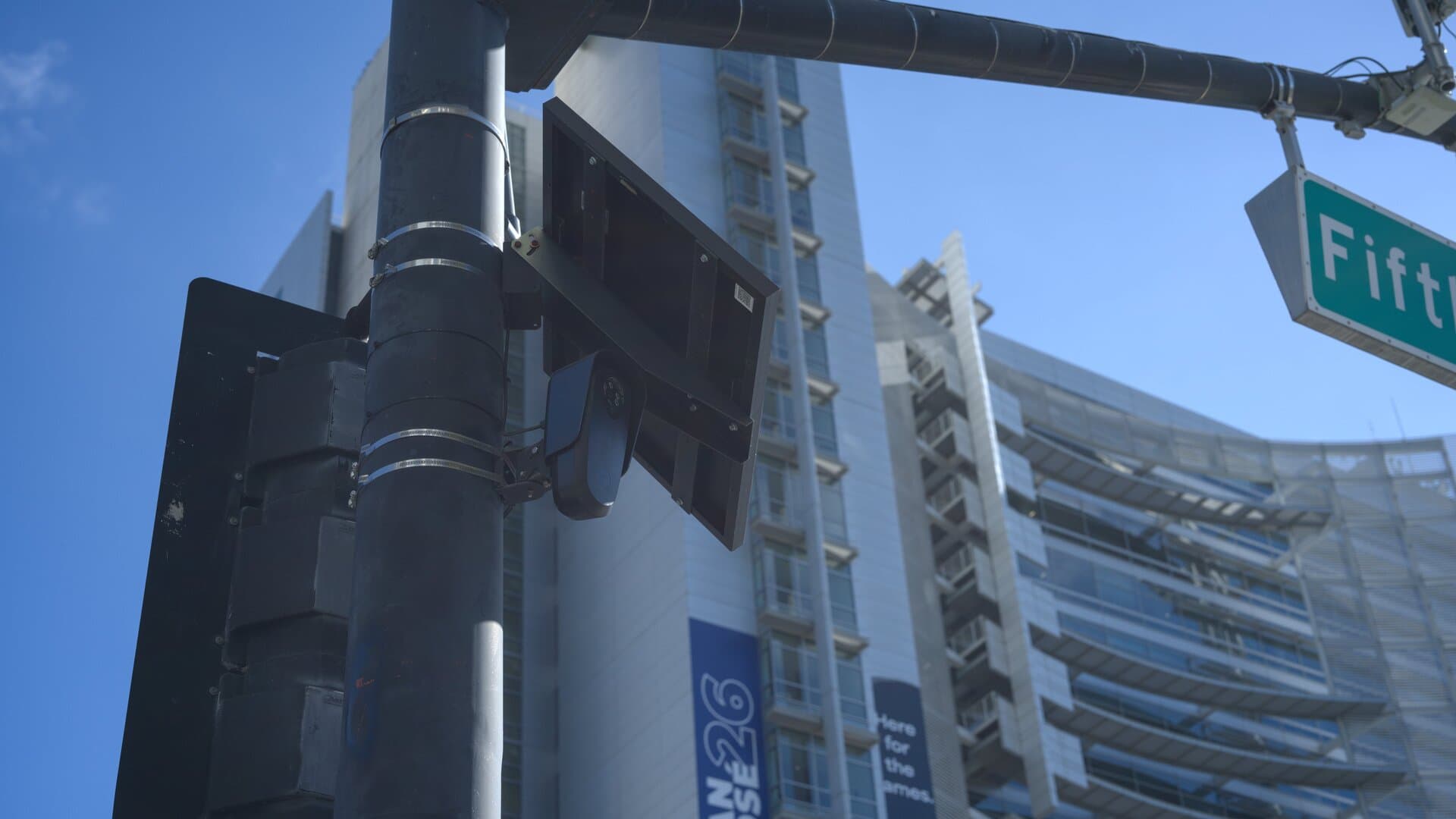
San Jose police searches of the city's stored license plate reader data without a warrant violate the California Constitution's protection against unreasonable searches and seizures (article I, section 13) and its right to privacy (article I, section 1).
“For Muslim, immigrant, and other marginalized communities that already live with profiling, the idea that police can map your trips to the mosque, your lawyer, or your doctor—without a warrant—is chilling. The California Constitution promises real privacy protections, and this lawsuit is about making sure those promises still mean something for everyone who drives through San Jose.”
Official statement
Reporting
Where this statement fits
Judge dismisses challenge to San Jose police's warrantless queries of Flock camera data
On October 2, 2026, Santa Clara County Superior Court Judge Jeffrey El-Hajj dismissed a lawsuit by SIREN and CAIR California that sought to require San Jose police to get a warrant before querying the city's stored license plate reader data. The plaintiffs, represented by the Electronic Frontier Foundation and the ACLU of Northern California, argued that the warrantless searches violate the California Constitution's protections against unreasonable searches and its right to privacy. The city argued that images of vehicles taken on public streets carry no protected privacy interest. Applying a 2024 state appeals court decision on San Diego streetlight cameras, the judge found no reasonable expectation of privacy in the plate data or in later queries of it, and he denied leave to amend. EFF says it will appeal.
Source and context
Official statement
About this source
CAIR California's press release announcing that it joined the lawsuit as a plaintiff. It quotes Zahra Billoo, executive director of CAIR's San Francisco Bay Area office, and Jeffrey Wang, the office's civil rights managing attorney, and summarizes the relief the complaint seeks.
Archived copy (opens in a new tab)Reporting
About this source
KQED's report on the day the lawsuit was filed. It summarizes the complaint, quotes ACLU of Northern California staff attorney Nick Hidalgo and CAIR's Zahra Billoo, says the city attorney's office did not respond and the police department declined to comment, and quotes a statement from Mayor Matt Mahan defending the system.
Archived copy (opens in a new tab)Before the quotation
The Electronic Frontier Foundation and the ACLU of Northern California filed the complaint in Santa Clara County Superior Court on November 18, 2025, on behalf of CAIR California and SIREN.
After the quotation
The same release quotes Jeffrey Wang, civil rights managing attorney for the Bay Area office, saying the plaintiffs do not challenge targeted police tools but object to location tracking with no judicial oversight. KQED quoted the same passage from an email Billoo sent that day.
How this statement is classified
The label describes this statement's response within the context above.
Why this label?
The reference point is the San Jose Police Department's practice of querying the city's stored license plate reader data without a warrant. The statement calls warrantless police mapping of drivers' trips chilling and says the lawsuit seeks to enforce the state constitution's privacy protections, which criticizes the practice, so we used Condemned. The closest competing label is Challenged characterization; it loses because the statement does not dispute a description but objects to the searches themselves.
- Recorded on
- Published here
More from this case
Read the full caseEFF says the dismissal "is wrong on the law" and that it "will appeal"
Electronic Frontier Foundation
“Make no mistake: We believe this ruling is wrong on the law, and we will appeal. ... Networked ALPRs are not individual streetlight cameras. Their net effect of tracking and mapping cars as they travel reveals patterns of life, intimate relationships, and much more.”Read statement
SIREN's Huy Tran says the cameras "have been used to target immigrants already"
Services, Immigrant Rights and Education Network
“These cameras have been used to target immigrants already, but the reality is that we all will be subject to their far-reaching impact”Read statement
EFF's Andrew Crocker says San Jose police "could get a warrant" and calls the city's new limits "insufficient"
“Clearly these cities are recognizing there’s a problem, and I don’t think that restrictions like this are going to solve that problem. Really any use of ALPRs is harmful, and the only way to stop the risk of this kind of abuse is to end their use in these cities ... Short of that, they could get a warrant, they could go before a court and present probable cause to run these searches, which is what we’re seeking in this lawsuit ... San José has not done that. San Francisco has not done that. So it’s insufficient, and it’s very likely that we will see further abuse of these systems.”Read statement
Share or embed this statement
The embed keeps its attribution link to The Dispute Index. Credit the image to The Dispute Index and link to the statement page.
Cite this record
- Publisher
- The Dispute Index
- Title
- CAIR California says police mapping "trips to the mosque, your lawyer, or your doctor" without a warrant is "chilling"
- First published
- Last updated
- Permalink
- https://disputeindex.com/events/5695-announcing-that-it-had-joined-the-lawsuit-as
Last updated marks the most recent saved version of this published statement.
The Dispute Index. "CAIR California says police mapping "trips to the mosque, your lawyer, or your doctor" without a warrant is "chilling"". First published: 2026-10-14. Last updated: 2026-10-14. https://disputeindex.com/events/5695-announcing-that-it-had-joined-the-lawsuit-as