
Vance disputes the antitrust basis for the inquiry
Joyce VanceFormer U.S. attorney and author of Civil Discourse
Joyce Vance argues that a temporary protest over treatment of journalists does not resemble the commercial restraints normally addressed by antitrust law.
Responding to
The television networks' coordinated suspension of White House pool coverage warrants an investigation for possible antitrust violations.
“But it’s doubtful that the networks’ boycott is the type of restraint on trade that antitrust laws are intended to prevent.”
Analysis
Where this statement fits
Is DOJ justified in investigating the White House TV press-pool boycott under antitrust law?
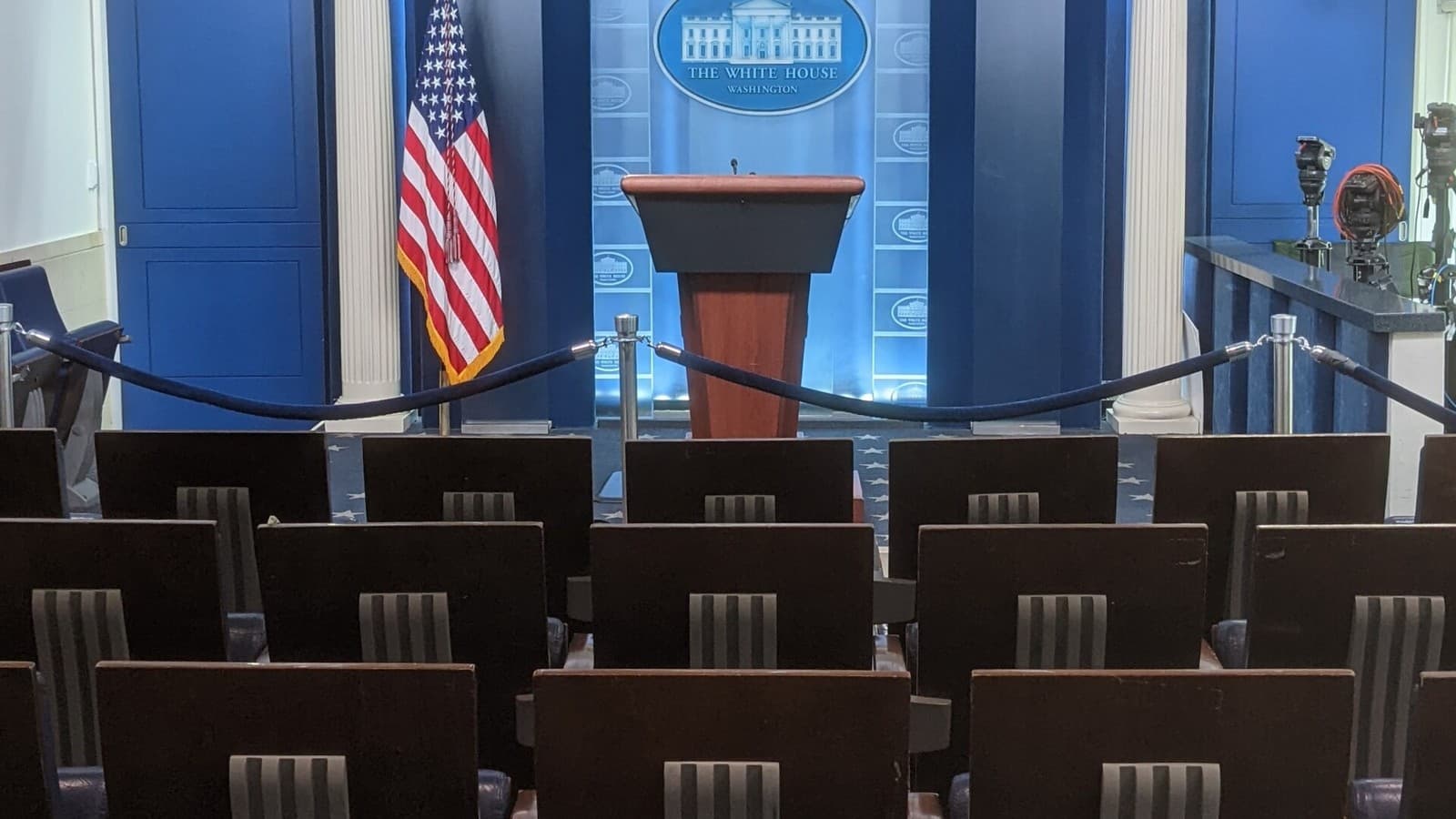
On October 10, 2026, the Justice Department confirmed that its Antitrust Division is investigating whether ABC, CBS, CNN, Fox News and NBC broke antitrust law when the White House television pool they share stopped covering some of President Trump's events in September. After Trump announced on September 18 that he was barring CNN, MS NOW and Politico from the White House, the other four networks refused to replace CNN when it was removed from the pool rotation, and the pool returned to full coverage on September 25. Department spokesperson Emily Covington said group boycotts among commercial competitors can violate the Sherman Act, while former U.S. attorney Joyce Vance argues that the networks were protesting the treatment of journalists rather than restraining trade. The Reporters Committee for Freedom of the Press, the Freedom of the Press Foundation and Jonathan Kanter, the Biden administration's antitrust chief, also criticized the inquiry, while commentator Laura Loomer had urged the department in September to examine the networks' action. The dispute is over whether the networks' joint suspension of pool coverage justifies an antitrust investigation.
Source and context
Analysis
About this source
Vance disputes the legal justification for investigating the temporary protest. Her assessment of political intimidation is her interpretation, not a finding about DOJ's motive.
Archived copy (opens in a new tab)Before the quotation
Vance opens by summarizing The New York Times report that the department sent letters to the networks demanding pool-related communications, and writes that, as with what she calls Trump's revenge docket, "the process is the punishment." Just before the quoted passage, she cites the Sherman Act's ban on contracts, combinations and conspiracies in restraint of trade and notes that violating it is a felony.
After the quotation
She continues: "The networks didn't agree to fix prices, allocate customers, or exclude commercial rivals, which is the type of behavior the law is meant to prevent and punish." She calls the pool's action a temporary protest and says it is "a real stretch to investigate here, given the First Amendment implications of the White House's conduct." She then likens the inquiry to what she describes as Trump's long practice of announcing investigations into his opponents as a bully tactic.
How this statement is classified
The label describes this statement's response within the context above.
Why this label?
The case asks whether the Justice Department is justified in investigating the television networks' White House press-pool boycott under antitrust law. Vance writes that it is "doubtful that the networks' boycott is the type of restraint on trade that antitrust laws are intended to prevent" and says it is a real stretch to investigate given the First Amendment implications of the White House's own conduct. That opposes the investigation, so we labeled it Condemned. The closest competing label is Challenged the characterization, since she disputes treating the networks' action as a commercial restraint of trade; it loses because she goes on to criticize the decision to investigate.
- Recorded on
- Published here
More from this case
Read the full caseFormer antitrust chief Jonathan Kanter says the networks' action is not even close to an antitrust violation
“This is not even in the same zip code of an antitrust violation”Read statement
Reporters Committee calls the antitrust inquiry an even more brazen attempt to intimidate journalists
Reporters Committee for Freedom of the Press
“The decisions news organizations make about coverage are protected by the First Amendment, and summoning antitrust authority, on top of the retaliatory actions the White House has already taken to bar certain outlets, is another and even more brazen attempt to try to intimidate journalists.”Read statement
Freedom of the Press Foundation calls the antitrust inquiry nonsense
Freedom of the Press Foundation
“What nonsense. Trump may view the presidency as a business venture, but news outlets’ standing up for the First Amendment has nothing to do with antitrust law.”Read statement
Cite this record
- Publisher
- The Dispute Index
- Title
- Vance disputes the antitrust basis for the inquiry
- First published
- Last updated
- Permalink
- https://disputeindex.com/events/5529-joyce-vance-argues-that-a-temporary-protest-over
Last updated marks the most recent saved version of this published statement.
The Dispute Index. "Vance disputes the antitrust basis for the inquiry". First published: 2026-10-11. Last updated: 2026-10-11. https://disputeindex.com/events/5529-joyce-vance-argues-that-a-temporary-protest-over