
Mayor Aaron Brockett says he "wouldn't end them unilaterally" and backs a community decision on Boulder's plate readers
Aaron BrockettMayor of Boulder and mayoral candidate, Colorado
In Boulder Reporting Lab's candidate questionnaire, Mayor Aaron Brockett, who is running for reelection, said he would not end the city's automated license plate readers unilaterally and that the city has added safeguards on sharing and retention. He said he supports a community conversation in early 2027 to decide whether to continue or end their use, and state legislation mandating additional safeguards.
“I wouldn't end them unilaterally, but ALPR's have justifiably come under significant scrutiny over data privacy issues. We have added many safeguards to the system to make sure data is only shared for legitimate reasons, that only the minimum amount of data is kept and for a short period of time, and that data is shared only with a small percentage of Colorado law enforcement agencies and never with the Federal government. To address community concerns, I support the city manager's plan to have a community conversation on the topic in the early part of 2027 and make a decision with the community about whether to continue or end ALPR use. I also support state legislation mandating additional safeguards and guardrails on their use.”
Reporting
Where this statement fits
Should Flock-style license-plate surveillance networks exist?
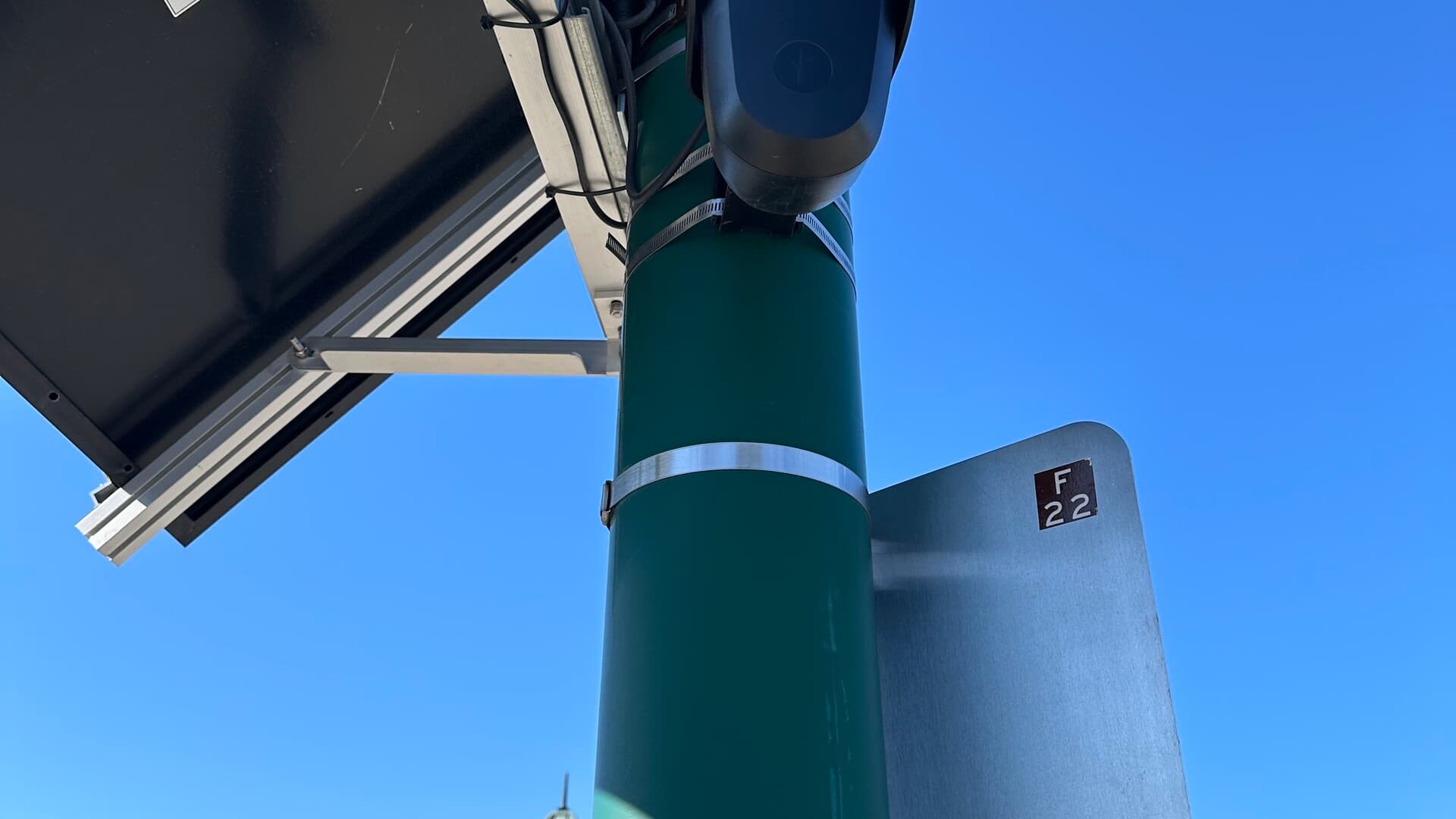
Networked automated license-plate readers record passing vehicles and let agencies search or share travel records across locations. Candidates and officials disagree over whether to prohibit these networks, keep them with legal limits, or defend their use for investigations. This tracker records attributable positions on that choice, including proposals that would affect only public funding or data access.
Source and context
Reporting
About this source
Boulder Reporting Lab questionnaire in which each mayoral and City Council candidate in Boulder's Nov. 3, 2026, municipal election answered the question "Would you end Boulder's use of automated license plate readers, yes or no? Why or why not?" The article prints each candidate's written answer under the candidate's name. It lists Lisa Ann Jacobs, Fred Smith and Lee Gilbert as candidates who did not respond, and notes that Lynn Segal's answer was added on September 30 after the first version said she had not responded.
Archived copy (opens in a new tab)Before the quotation
Boulder Reporting Lab asked each candidate for mayor and City Council in Boulder's Nov. 3, 2026, municipal election to answer the question "Would you end Boulder's use of automated license plate readers, yes or no? Why or why not?" in its written candidate questionnaire. Brockett is the incumbent mayor and is running for reelection.
After the quotation
The article reports that the city paused its bidding process for license plate reader services in September to allow for "engagement and policy conversation" expected to extend into the spring of 2027, and that Boulder police's Flock data is stored for 14 days.
How this statement is classified
The label describes this statement's response within the context above.
Why this label?
The reference point is whether networked license-plate reader systems such as Flock should exist and be used. Brockett says he would not end the readers unilaterally, describes safeguards the city has added, and supports a community decision on whether to continue or end their use along with state guardrails. That leaves continued use open to a local decision, which fits Mixed or conditional and Guardrails on the remedy ladder. The closest competing label is Defended or excused, which would fit an argument that the readers are justified as they stand; he says they have "justifiably come under significant scrutiny" and leaves the decision to the community.
- Recorded on
- Published here
More from this case
Read the full caseJacob Burnett says Flock-style cameras should be done away with, with warrants required if they stay
“The systems themselves can be modified to prevent nearly all abuse and be made more secure by requiring warrants for access or follow through on any data the systems collect and have all data stored on the hardware itself preventing viewing from remote locations, requiring strict login credentials and a connecting warrant number to access. These are common sense changes that if the systems are to be used I feel could correct a lot of abuse or privacy concerns but I also feel the systems should be done away with overall, especially in the realm of predictive crime analytics.”Read statement
Dean Brewer, an independent candidate for Tennessee governor, says Flock cameras should be banned
“I believe flock cameras should be banned.”Read statement
Buddy Carter says license plate cameras help investigators but need privacy safeguards
“Technologies like license plate recognition cameras can provide valuable investigative tools, but they have also raised important questions about privacy and government oversight. As these systems become more common, it is important to balance public safety with appropriate safeguards that protect individual privacy.”Read statement
Share or embed this statement
The embed keeps its attribution link to The Dispute Index. Credit the image to The Dispute Index and link to the statement page.
Cite this record
- Publisher
- The Dispute Index
- Title
- Mayor Aaron Brockett says he "wouldn't end them unilaterally" and backs a community decision on Boulder's plate readers
- First published
- Last updated
- Permalink
- https://disputeindex.com/events/5106-in-boulder-reporting-lab-s-candidate-questionnaire-mayor
Last updated marks the most recent saved version of this published statement.
The Dispute Index. "Mayor Aaron Brockett says he "wouldn't end them unilaterally" and backs a community decision on Boulder's plate readers". First published: 2026-10-07. Last updated: 2026-10-07. https://disputeindex.com/events/5106-in-boulder-reporting-lab-s-candidate-questionnaire-mayor