
Kohen calls Argentina's arbitration over Sea Lion "what should be done"
Marcelo KohenProfessor Emeritus of International Law at the Geneva Graduate Institute, in an interview on Radio Continental
In a Spanish-language radio interview, international law professor Marcelo Kohen said Argentina's arbitration against the UK was the right step and "the only possibility" for Argentina to make the UK stop oil exploitation around the islands. He called the start of exploitation the most serious unilateral measure by the UK since 1982 and said UN resolutions bar unilateral measures while the sovereignty dispute continues. Quotations are DI translations from the Spanish audio.
“No, no, no, quite the opposite. I think it is what should be done. I would say it is the only possibility Argentina has to truly compel the United Kingdom to stop the process of exploiting the oil resources around the Malvinas.”
Interview
Where this statement fits
Should Argentina sanction UK and Israeli oil companies exploring near the Falkland Islands?
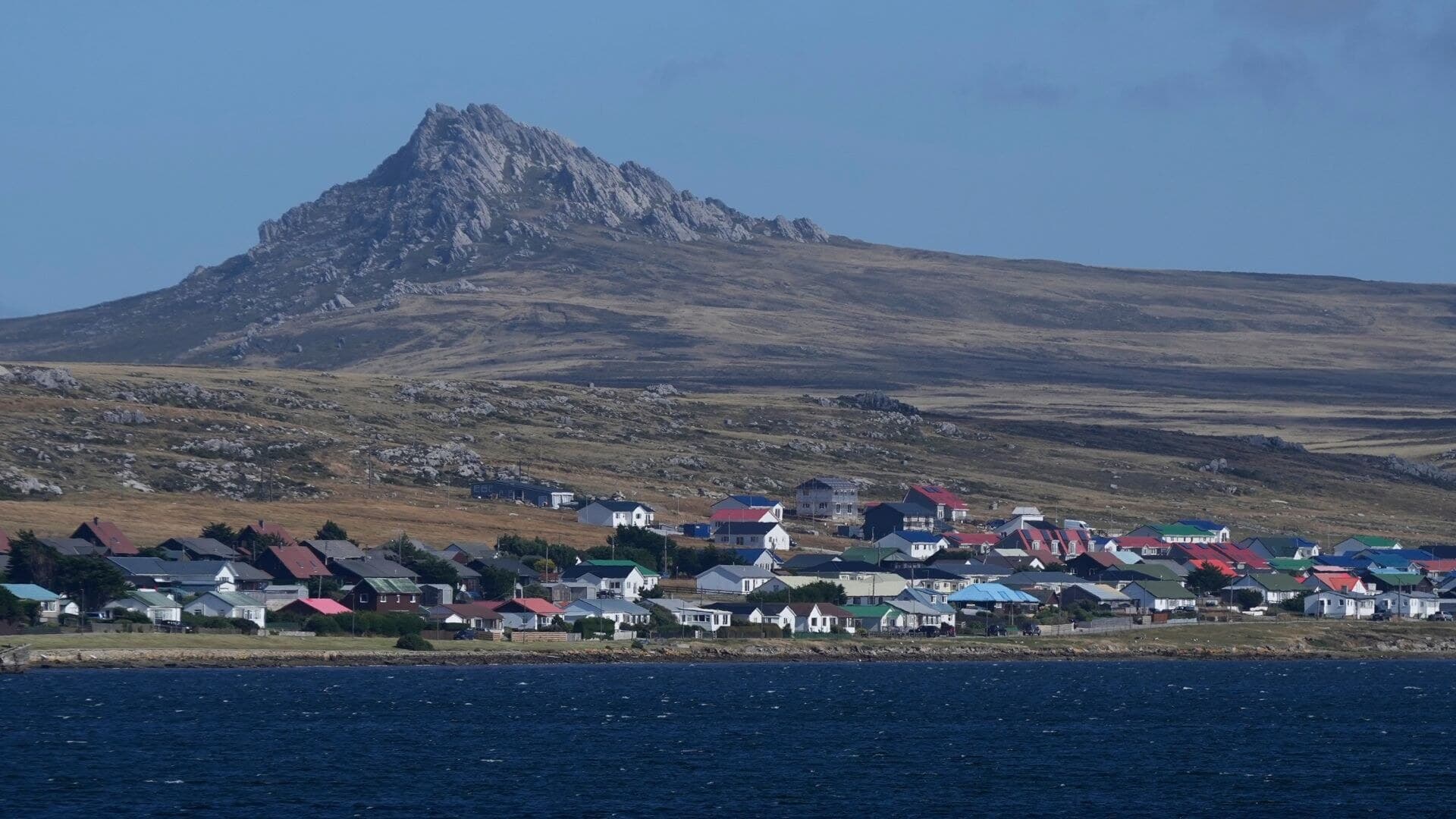
On September 3, 2026, Argentine President Javier Milei announced plans to sanction companies involved in oil exploration near the Falkland Islands, which Argentina calls the Malvinas and has long claimed from Britain. He called the Sea Lion oil project, operated by UK-based Rockhopper Exploration and Israel's Navitas Petroleum, a "concrete and urgent danger." Argentina has since filed a criminal complaint against Navitas Petroleum, begun sanctions proceedings against 60 companies and individuals connected to the project, and a Tierra del Fuego court has ordered the companies to suspend Sea Lion activity pending an environmental review, a step reported as largely symbolic since the project operates under Falkland Islands government licenses. Rockhopper and Navitas say they hold valid licenses with the UK's support and do not expect the measures to affect their activities. UK Foreign Secretary Ed Miliband called the UK's position on the islands "unwavering." Milei has tied the escalation to a 1976 UN resolution against unilateral action and has also announced funding for a new Argentine naval base in Tierra del Fuego. The dispute is whether Argentina should sanction and seek to block companies exploring for oil near the Falkland Islands.
Source and context
Interview
About this source
Radio interview in Spanish on Radio Continental's Juntos en Continental, published September 29, 2026, with an 11-minute audio recording on the page. International law professor Marcelo Kohen answers questions about Argentina's announced arbitration against the United Kingdom under the UN Convention on the Law of the Sea over the Sea Lion oil project. DI transcribed the Spanish audio; English renderings in DI's records are DI translations. Kohen sent the link to Dispute Index on September 30, 2026.
Archived copy (opens in a new tab)Before the quotation
The host asked whether Argentina's planned filing before the International Tribunal for the Law of the Sea was viable, or whether Argentina was going about it the wrong way.
After the quotation
Kohen explained that under the UN Convention on the Law of the Sea, Argentina must give the UK 14 days to stop, after which it can ask the Hamburg tribunal for provisional measures, and that the UK "has to appear and has to respond" as a party to the convention. Later he said the dispute covers both territorial sovereignty and maritime areas, though the tribunal can rule only on law-of-the-sea questions.
How this statement is classified
The label describes this statement's response within the context above.
Why this label?
Relative to Argentina's sanctions and legal action against the Sea Lion project, Kohen says the arbitration "is what should be done" and the only way to stop the project, supporting Argentina's legal campaign, so we labeled it Defended.
- Recorded on
- Published here
- People and groups discussed
- Rockhopper Exploration, Navitas Petroleum
More from this case
Read the full caseMilei tells Ibero-American leaders Argentina has opened sanctions proceedings and criminal complaints over Sea Lion
“We activated sanctions proceedings and filed criminal complaints against the companies involved and their executives. Our Government will assert Argentina's rights with all the firmness the law allows. (Translated from Spanish. Original: Activamos procedimientos sancionatorios y presentamos denuncias penales contra las compañías involucradas y sus directivos. Nuestro Gobierno hará valer los derechos argentinos con toda la firmeza que permite la ley.)”Read statement
International law professor Donald Rothwell says Argentina's Sea Lion case "could therefore fall at the first hurdle"
“While Argentina has framed its claim around UNCLOS, the core of the case is the territorial dispute over the islands, referred to as Malvinas by Argentina. ... Argentina's claim could therefore fall at the first hurdle, and Buenos Aires is no doubt aware of this challenge.”Read statement
Liberal Democrat Al Pinkerton calls Milei's use of UNCLOS arbitration "neo-colonialism dressed up as anti-colonialism"
“They spoke for themselves as a self-governing, self-determining, distinct and identifiable people, yet President Milei now seeks to use UNCLOS arbitration to deny the islanders of economic sovereignty and the right to shape their own future. That is neo-colonialism dressed up as anti-colonialism.”Read statement
Share or embed this statement
The embed keeps its attribution link to The Dispute Index. Credit the image to The Dispute Index and link to the statement page.
Cite this record
- Publisher
- The Dispute Index
- Title
- Kohen calls Argentina's arbitration over Sea Lion "what should be done"
- First published
- Last updated
- Permalink
- https://disputeindex.com/events/3707-in-a-spanish-language-radio-interview-international-law
Last updated marks the most recent saved version of this published statement.
The Dispute Index. "Kohen calls Argentina's arbitration over Sea Lion "what should be done"". First published: 2026-09-30. Last updated: 2026-09-30. https://disputeindex.com/events/3707-in-a-spanish-language-radio-interview-international-law