
Mike Ezell defends investigative ALPR use
U.S. representative from Mississippi
“Voted no on Amendment No. 221 to H.R. 8870.”
Source and context
Reporting
About this source
Firsthand markup coverage reports that Ezell opposed the tolling-only ALPR amendment and cited recovery of abducted minors.
Original text
About this source
Proposed amendment would limit ALPR use by recipients of Title 23 assistance to tolling.
Archived copy (opens in a new tab)Original text
About this source
Official committee record lists each member's vote on Perry Amendment No. 221. The amendment failed 20 to 44.
Archived copy (opens in a new tab)Before the quotation
Scott Perry proposed limiting ALPR use by federal highway-aid recipients to tolling.
After the quotation
The committee rejected the amendment 20 to 44; Ezell voted no.
How this statement is classified
Case context: Should Flock-style license-plate surveillance networks exist?
The label describes this statement’s response within the context above.
Why this label?
He defended a public-safety use and opposed restricting federally aided systems to tolling only.
- Recorded on
- Published here
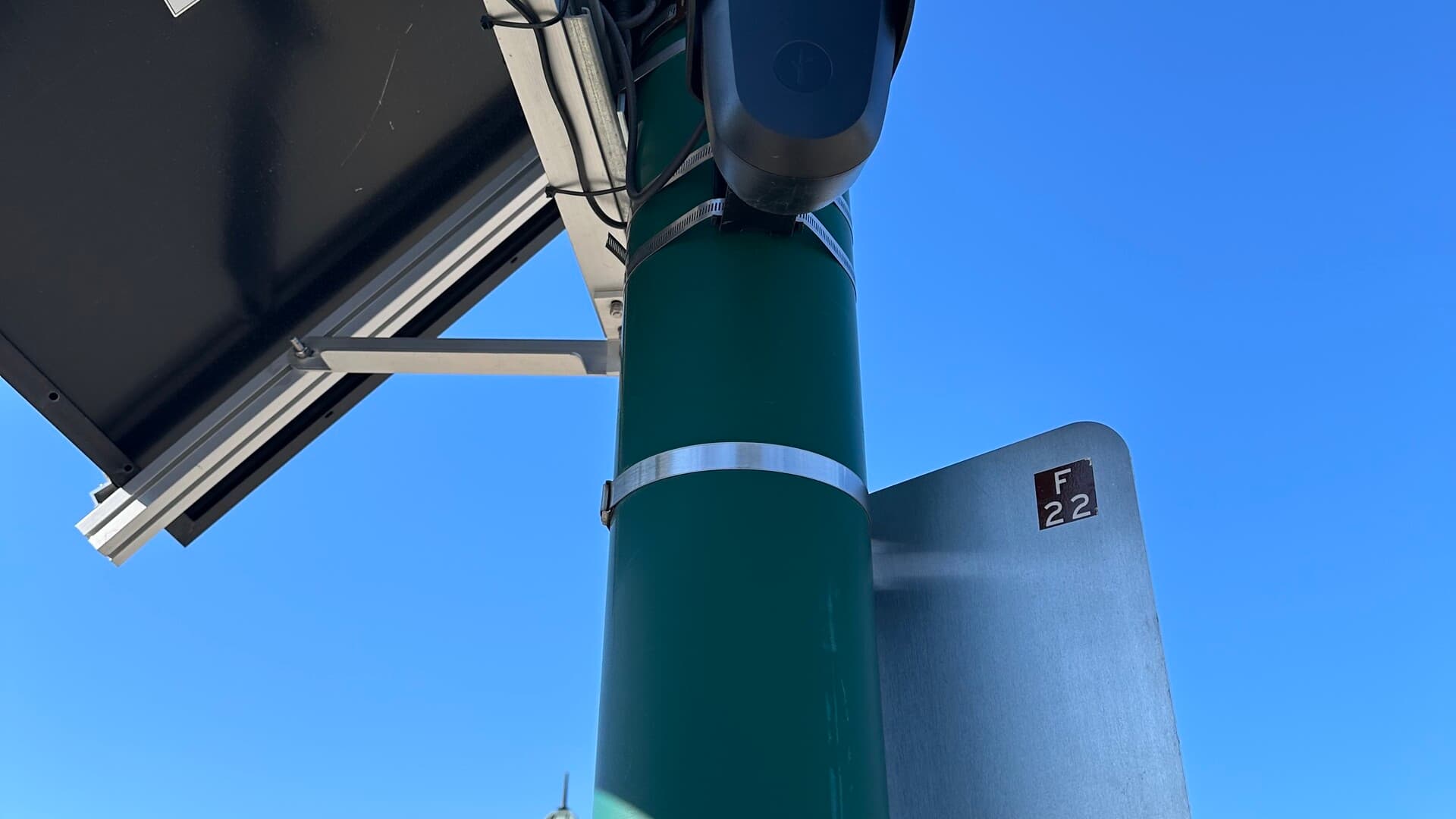
Should Flock-style license-plate surveillance networks exist?
Explore the case context, sources and public responses.
More from this case
Read the full case“Ohioans should not have their movements routinely tracked, photographed, and stored simply for driving on public roads.”Read statement
“Tennesseans should be free from a surveillance state.”Read statement
“We need to restore real limits, real oversight, and real due process.”Read statement