
Rubio says every strike gets legal review and targeting is informed by intelligence
Marco RubioSecretary of State, testifying before the Senate Foreign Relations Committee
Secretary of State Marco Rubio answers Sen. Tim Kaine's questions about the targeting criteria for strikes on alleged drug boats, at a Senate Foreign Relations Committee hearing, June 2, 2026.
Two excerpts joined by a one-second black gap: 1:11:05 to 1:11:22 and 1:13:15 to 1:13:41 of the Senate Foreign Relations Committee recording. Cut from the Senate Foreign Relations Committee's own recording of the hearing. The PBS NewsHour YouTube clip cited for this source shows the same exchange. DI added its logo in the corner.
Video: U.S. Senate Committee on Foreign Relations. Public domain (U.S. government work) (opens in a new tab)
Watch the full original video (opens in a new tab) (relevant passage: 3 minute 35 second clip of Sen. Tim Kaine questioning Secretary of State Marco Rubio at a Senate Foreign Relations Committee hearing)
Rubio told the Senate Foreign Relations Committee that "every strike has a legal officer on the deck that has to make a determination about whether the call is legal or not" and that targeting is "informed and infused by intelligence collection". He said the military has "walked away" from some strikes.
“So every strike has a legal officer on the deck that has to make a determination about whether the call is legal or not. And this is done by the Department of War the way it's been done in other theaters around the world. … all of it informed and infused by intelligence collection. In essence, they have to have true links. I can tell you they do walk away from strikes. … there have been strikes that they've walked away from because it doesn't meet the criteria or because there's doubts.”
Original video
Reporting
Where this statement fits
Was the U.S. military's September 19 Caribbean boat strike justified by evidence of narcotics trafficking?
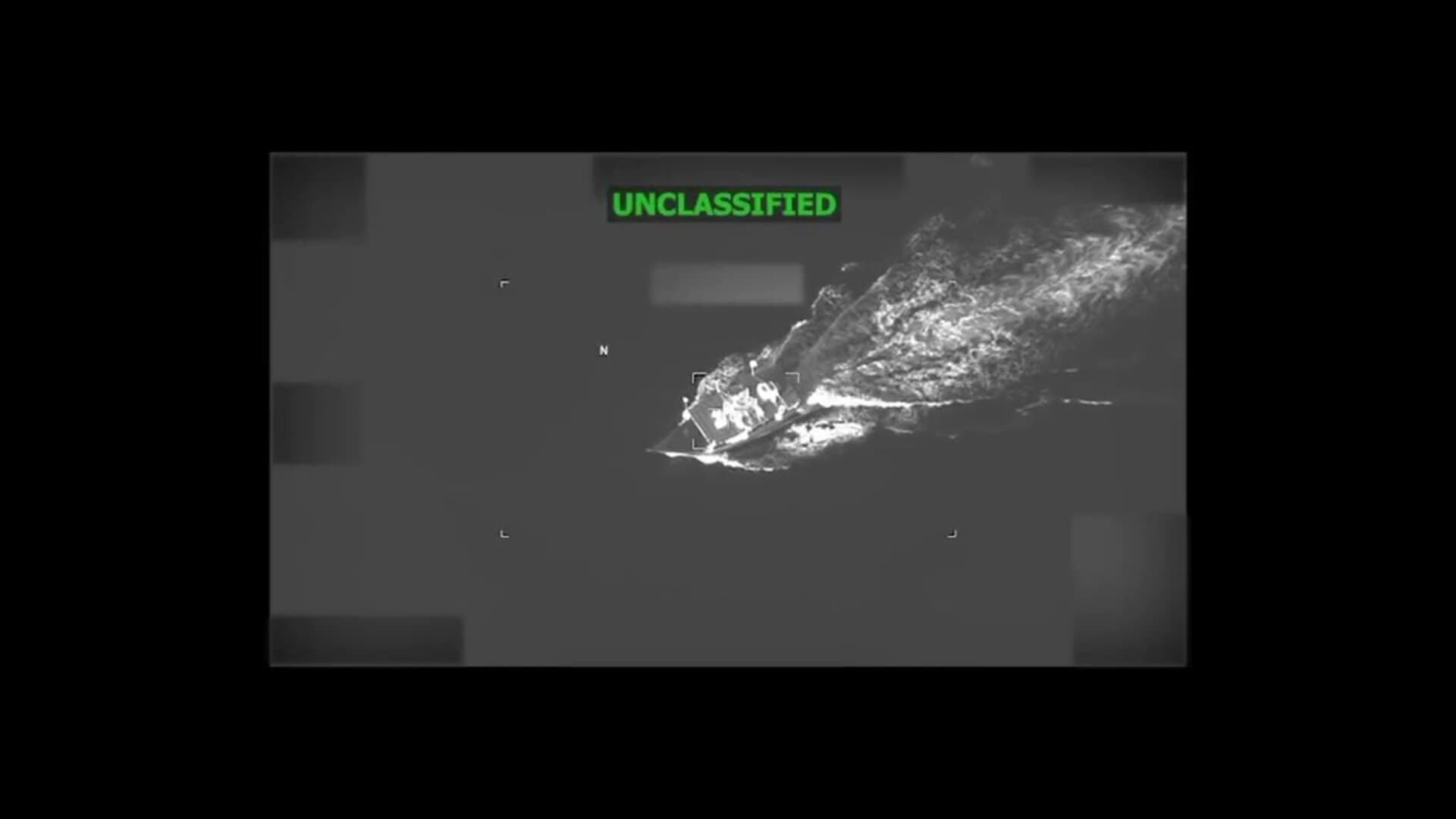
On September 19, 2026, U.S. Southern Command announced that Joint Task Force Western Hemisphere had struck a go-fast vessel in the Caribbean Sea and killed four people it called "narco-terrorists". The command said "Confirmed intelligence revealed the vessel's active involvement in narco-trafficking". According to The Associated Press, the military did not provide evidence that the vessel was carrying drugs. On September 20, U.N. Special Rapporteur Ben Saul posted a briefing note concluding that U.S. strikes on alleged drug boats since September 2025 amount to "serial extrajudicial killings" and that there are "reasonable grounds to believe" the 68 attacks he counted through August 2026 "constituted crimes against humanity of murder". White House spokesperson Anna Kelly said on September 22 that the strikes have been "against designated narcoterrorists". The dispute is whether the intelligence Southern Command cites, which it did not release with its announcement, justified the September 19 strike.
Source and context
Original video
About this source
PBS NewsHour clip of the June 2, 2026 Senate Foreign Relations Committee exchange about the criteria for targeting alleged drug boats. The quotations in this record are taken from the audio.
Archived copy (opens in a new tab)Watch the clip from this source at the top of the page.
Reporting
About this source
PolitiFact fact-check republished by WLRN. It dates Rubio's testimony to June 2 and quotes his answer to Sen. Kaine about targeting criteria.
Archived copy (opens in a new tab)Before the quotation
At a June 2, 2026 hearing, before the September 19 strike, Sen. Tim Kaine asked Rubio what the targeting criteria are. After saying he could not describe the classified criteria, Kaine asked why the administration would not include the presence of narcotics aboard a boat as a targeting criterion.
After the quotation
Kaine said the presence of narcotics aboard a boat has never been a targeting criterion in the briefings he has received, and that he was not saying the strikes he reviewed failed to meet the criteria.
How this statement is classified
The label describes this statement's response within the context above.
Why this label?
Measured against the campaign the September 19 strike belongs to and the intelligence basis given for such strikes, Rubio defends the process behind target selection, citing legal review of every strike and intelligence-based criteria.
- Recorded on
- Published here
More from this case
Read the full caseRachel VanLandingham says international condemnation makes it clearer the boat strikes are unlawful
“For the vast majority of service members, except perhaps the senior-most commanders, there is both no safe recourse for them to disobey orders related to the illegal boat strikes and at the same time, there is no exposure to criminal liability for them either … Yes, the growing international condemnation makes it clearer that these strikes are unlawful, but doesn’t overcome the White House’s own legal sanitization process and doesn’t create a legal duty for any service member to disobey their boat strike-related orders”Read statement
Southern Command tells Task & Purpose its operations have been conducted lawfully
U.S. Southern Command
“have been conducted lawfully, fully complying with the law of armed conflict”Read statement
Chuy Garcia calls the Caribbean and Pacific boat strikes illegal extrajudicial killings
“Donald Trump is dropping bombs across the Caribbean and Pacific in blatant violation of the law and of fundamental human rights … This has done nothing to stop the flow of drugs or to make Americans safer. Instead, it has left hundreds dead, families devastated, and communities in fear. Let us call these attacks what they are: illegal extrajudicial killings.”Read statement
Share or embed this statement
The embed keeps its attribution link to The Dispute Index. Credit the image to The Dispute Index and link to the statement page.
Cite this record
- Publisher
- The Dispute Index
- Title
- Rubio says every strike gets legal review and targeting is informed by intelligence
- First published
- Last updated
- Permalink
- https://disputeindex.com/events/2654-rubio-told-the-senate-foreign-relations-committee-that
Last updated marks the most recent saved version of this published statement.
The Dispute Index. "Rubio says every strike gets legal review and targeting is informed by intelligence". First published: 2026-09-26. Last updated: 2026-09-26. https://disputeindex.com/events/2654-rubio-told-the-senate-foreign-relations-committee-that