
U.S. Attorney's Office in western Washington says it will no longer defend ICE in many detention cases; Judge Cartwright frees a detainee whose petition went unanswered
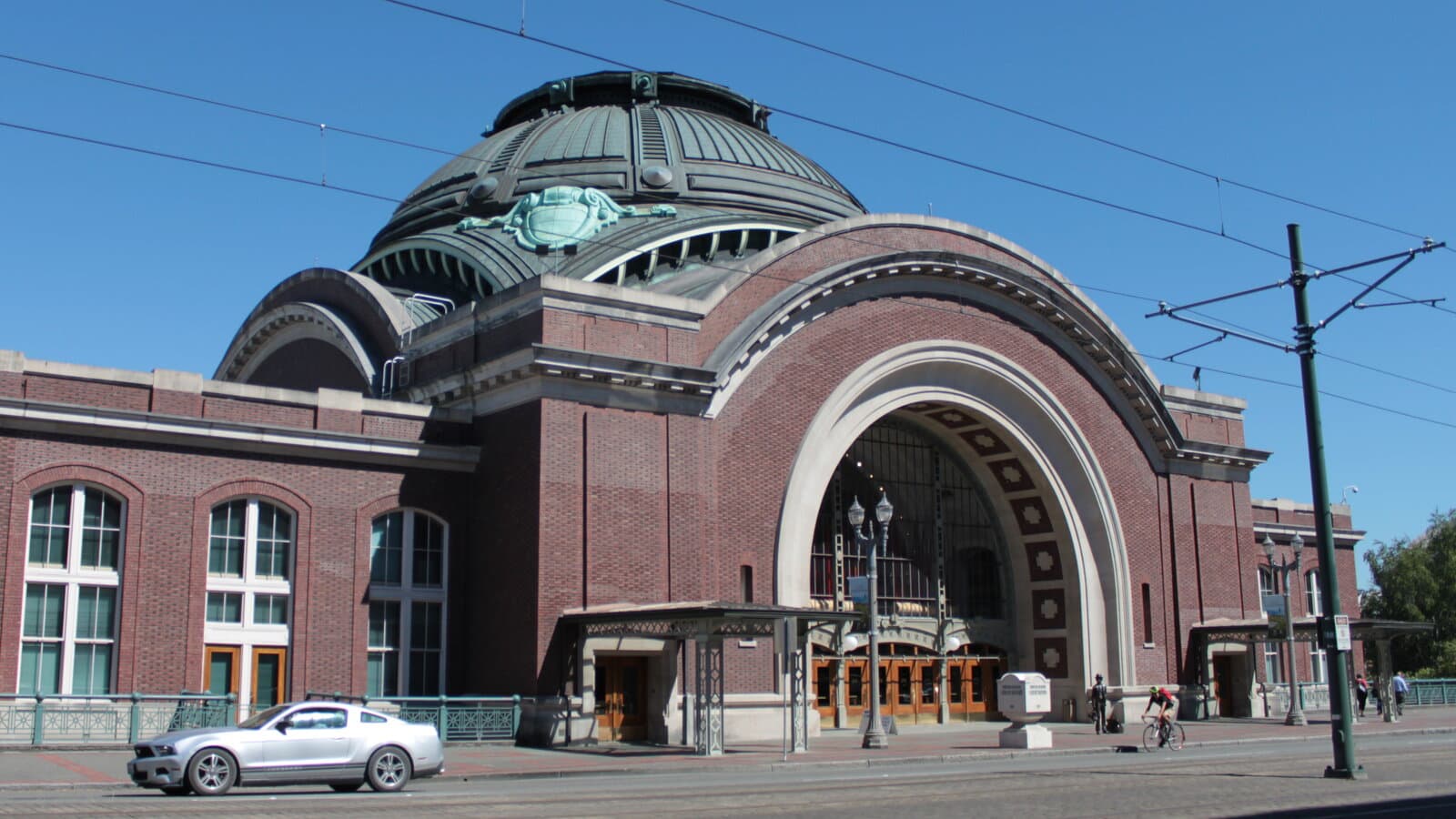
Acting U.S. Attorney Charles Neil Floyd told the federal court in western Washington on October 26, 2026 that his office lacks the lawyers to answer every immigration habeas petition. A judge then freed a detainee whose petition went unanswered.
Case period:
Published by The Dispute Index editorial teamPublished Updated
Overview
A person held by ICE can ask a federal district court for release through a habeas corpus petition. According to the Associated Press, judges have often ruled against the administration in these cases, and U.S. border czar Tom Homan told Fox News in early November that courts were weighed down by about 85,000 immigration habeas cases. The AP report says Floyd, a former immigration judge, was one of four Washington immigration judges who argued for barring immigration courts from granting bond to detainees, a question now before the U.S. Supreme Court.
In her order, Cartwright wrote that she was not aware of any precedent for the Justice Department declining to appear for a federal agency instead of filing a statement that it does not oppose a petition, and that the office's letter is the department's official position. Singh had been released under supervision while his asylum claim was pending and was detained in September 2026 after he and friends reached a border exit to Canada at Peace Arch Historical State Park, according to the order.
People in this case
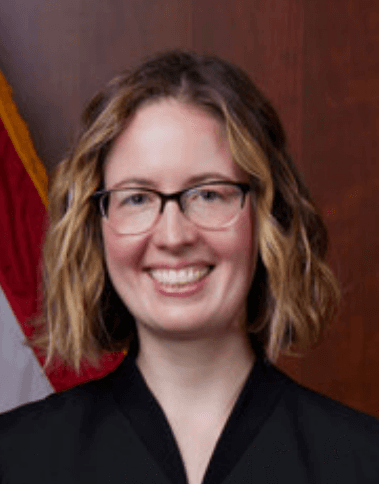 Tiffany M. CartwrightDirectly involved
Timeline
4 timeline entries on this page. Dates: October 26, 2026 to November 9, 2026
October 2026
Acting U.S. Attorney Floyd tells the chief judge his office will stop defending many immigration habeas cases
Claim
Floyd's letter to Chief Judge Estudillo says the office lacks the resources to appear in every immigration habeas case and sets a seven-court-day window after which the court may rule without a government response.
[01]Letter from Acting U.S. Attorney Charles Neil Floyd to Chief Judge David S. Estudillo on appearances in immigration habeas cases
Floyd's letter to the chief judge of the Western District of Washington saying the office will no longer defend ICE in many immigration habeas cases, setting a seven-court-day window for a notice of appearance, and saying release orders can be emailed to the Northwest ICE Processing Center. It became public as an exhibit to Judge Cartwright's November 7 order.
Letter from Acting U.S. Attorney Charles Neil Floyd to Chief Judge David S. Estudillo on appearances in immigration habeas casesExhibit A to the order in Singh v. Blanche, No. 2:26-cv-04143 (W.D. Wash.), Dkt. 4-1; two-page letter dated October 26, 2026[02]Associated Press
AP report on Floyd's letter, with background on the volume of immigration habeas cases, Tom Homan's estimate of about 85,000 such cases, and Floyd's earlier role as an immigration judge who argued against bond for detainees.
Associated Press: Faced with influx, prosecutor in Washington says he lacks resources to defend immigration cases · Associated PressArticle text, as published by KUOWBaljit Singh files a habeas petition, and the court orders the government to respond by November 12
Singh, an asylum seeker from India held at the Northwest ICE Processing Center, challenges his detention. The next day the court issues its standard order directing the respondents to show cause why the writ should not be granted.
[03]Singh v. Blanche, No. 2:26-cv-04143 (W.D. Wash.): order granting writ of habeas corpus
Judge Cartwright's order treating Baljit Singh's habeas petition as intentionally unopposed after no government lawyer appeared within seven court days of the scheduling order, and ordering his release within one day.
Singh v. Blanche, No. 2:26-cv-04143 (W.D. Wash.): order granting writ of habeas corpusDkt. 4, three-page order dated November 7, 2026
November 2026
Judge Cartwright treats Singh's petition as intentionally unopposed and orders his release
No government lawyer appeared within seven court days, so Cartwright treats the petition as intentionally unopposed, grants it and orders Singh released within one day. Floyd's letter is attached to the order as an exhibit.
[03]Singh v. Blanche, No. 2:26-cv-04143 (W.D. Wash.): order granting writ of habeas corpus
Judge Cartwright's order treating Baljit Singh's habeas petition as intentionally unopposed after no government lawyer appeared within seven court days of the scheduling order, and ordering his release within one day.
Singh v. Blanche, No. 2:26-cv-04143 (W.D. Wash.): order granting writ of habeas corpusDkt. 4, three-page order dated November 7, 2026[01]Letter from Acting U.S. Attorney Charles Neil Floyd to Chief Judge David S. Estudillo on appearances in immigration habeas cases
Floyd's letter to the chief judge of the Western District of Washington saying the office will no longer defend ICE in many immigration habeas cases, setting a seven-court-day window for a notice of appearance, and saying release orders can be emailed to the Northwest ICE Processing Center. It became public as an exhibit to Judge Cartwright's November 7 order.
Letter from Acting U.S. Attorney Charles Neil Floyd to Chief Judge David S. Estudillo on appearances in immigration habeas casesExhibit A to the order in Singh v. Blanche, No. 2:26-cv-04143 (W.D. Wash.), Dkt. 4-1; two-page letter dated October 26, 2026Court enters judgment granting Singh's petition
The clerk enters judgment granting Singh's habeas petition with the relief ordered on November 7.
[04]Singh v. Blanche, No. 2:26-cv-04143 (W.D. Wash.): judgment in a civil case
The clerk's judgment granting Singh's habeas petition with the relief ordered in Judge Cartwright's November 7 order.
Singh v. Blanche, No. 2:26-cv-04143 (W.D. Wash.): judgment in a civil caseDkt. 6, one-page judgment dated November 9, 2026
Claims
Claims separate what was said from what is contested. Follow each source for the original wording and context.
What's disputed
Disputed claim
U.S. Attorney's Office for the Western District of Washington
The large volume of immigration habeas petitions filed in the Western District of Washington, often copied from other petitions, has severely impacted the U.S. Attorney's Office's ability to respond to petitions that need attorney time and to other civil litigation against the government.
What is disputed
Above the Law's Kathryn Rubino writes that the office's lack of lawyers reflects a Justice Department that can no longer keep up with detentions its own policy produced. The Associated Press reports that Floyd, as an immigration judge, argued for barring bond for detainees, a practice that has led many detainees to seek release in federal court.
Sources (2)
- Letter from Acting U.S. Attorney Charles Neil Floyd to Chief Judge David S. Estudillo on appearances in immigration habeas casesExhibit A to the order in Singh v. Blanche, No. 2:26-cv-04143 (W.D. Wash.), Dkt. 4-1; two-page letter dated October 26, 2026
- Associated Press: Faced with influx, prosecutor in Washington says he lacks resources to defend immigration cases · Associated PressArticle text, as published by KUOW
Response record
Responses
Choose one response filter, or select All responses to see the full record.
1 matching response. Newest first.
 U.S. Attorney's Office for the Western District of WashingtonActing U.S. Attorney Charles Neil Floyd, in a letter for the office to Chief U.S. District Judge David S. EstudilloDirectly involved
Before this statement
Floyd writes that petitions keep arriving in large numbers despite the court's General Order No. 08-26, often copied from other petitions, and that entering an appearance in each case often starts protracted litigation even after a petitioner has been released or received a bond hearing.
"Thus, going forward, in order to conserve resources, there will be many habeas cases in which the USAO will no longer assume responsibility for providing a defense on behalf of the respondents."
Defended or excusedResponding to: The large volume of immigration habeas petitions filed in the Western District of Washington, often copied from other petitions, has severely impacted the U.S. Attorney's Office's ability to respond to petitions that need attorney time and to other civil litigation against the government.
Full statement and sources
Floyd tells the chief judge that the office lacks the resources to enter an appearance in every immigration habeas petition and that, to conserve resources, it will no longer provide a defense for ICE and its officials in many of them. He says the change should speed up the resolution of most petitions.
After the statement
He writes that if the office does not file a notice of appearance within seven court days of a scheduling order, the court may assume no response is coming and rule on the petitioner's papers, that release orders can be emailed directly to the Northwest ICE Processing Center, and that the office reserves the right to appear in any case.
Letter from Acting U.S. Attorney Charles Neil Floyd to Chief Judge David S. Estudillo on appearances in immigration habeas casesExhibit A to the order in Singh v. Blanche, No. 2:26-cv-04143 (W.D. Wash.), Dkt. 4-1; two-page letter dated October 26, 2026Why this label?
Floyd presents the decision to stop defending many of these cases as a necessary use of limited resources and says it will speed up most petitions, so we labeled it defends or excuses.
This label describes the statement's response within the context above.
Sources
(5)
Original text
Letter from Acting U.S. Attorney Charles Neil Floyd to Chief Judge David S. Estudillo on appearances in immigration habeas cases
Relevant passage: Exhibit A to the order in Singh v. Blanche, No. 2:26-cv-04143 (W.D. Wash.), Dkt. 4-1; two-page letter dated October 26, 2026
About this source
Floyd's letter to the chief judge of the Western District of Washington saying the office will no longer defend ICE in many immigration habeas cases, setting a seven-court-day window for a notice of appearance, and saying release orders can be emailed to the Northwest ICE Processing Center. It became public as an exhibit to Judge Cartwright's November 7 order.
- Author
- Charles Neil Floyd, Acting U.S. Attorney for the Western District of Washington
- Published
- Accessed
Analysis
Above the Law: Trump's DOJ ran off so many lawyers it can't even show up to keep people locked up anymore
Relevant passage: Article text, opening paragraphs
About this source
Rubino's commentary on Floyd's letter, which ties the office's lack of lawyers to the Justice Department's staff losses and the administration's detention policy.
- Author
- Kathryn Rubino
- Published
- Accessed
Reporting
Associated Press: Faced with influx, prosecutor in Washington says he lacks resources to defend immigration cases
Relevant passage: Article text, as published by KUOW
About this source
AP report on Floyd's letter, with background on the volume of immigration habeas cases, Tom Homan's estimate of about 85,000 such cases, and Floyd's earlier role as an immigration judge who argued against bond for detainees.
- Author
- Associated Press
- Published
- Accessed
Original text
Singh v. Blanche, No. 2:26-cv-04143 (W.D. Wash.): judgment in a civil case
Relevant passage: Dkt. 6, one-page judgment dated November 9, 2026
About this source
The clerk's judgment granting Singh's habeas petition with the relief ordered in Judge Cartwright's November 7 order.
- Author
- Clerk of Court, U.S. District Court for the Western District of Washington
- Published
- Accessed
Original text
Singh v. Blanche, No. 2:26-cv-04143 (W.D. Wash.): order granting writ of habeas corpus
Relevant passage: Dkt. 4, three-page order dated November 7, 2026
About this source
Judge Cartwright's order treating Baljit Singh's habeas petition as intentionally unopposed after no government lawyer appeared within seven court days of the scheduling order, and ordering his release within one day.
- Author
- Judge Tiffany M. Cartwright
- Published
- Accessed
Share or embed this case
The embed keeps its attribution link to The Dispute Index. Credit the image to The Dispute Index and link to the case page.
Cite this record
- Publisher
- The Dispute Index
- Title
- U.S. Attorney's Office in western Washington says it will no longer defend ICE in many detention cases; Judge Cartwright frees a detainee whose petition went unanswered
- First published
- Last updated
- Permalink
- https://disputeindex.com/cases/western-washington-us-attorney-stops-defending-many-ice-habeas-cases
The Dispute Index. "U.S. Attorney's Office in western Washington says it will no longer defend ICE in many detention cases; Judge Cartwright frees a detainee whose petition went unanswered". First published: 2026-11-14. Last updated: 2026-11-14. https://disputeindex.com/cases/western-washington-us-attorney-stops-defending-many-ice-habeas-cases