
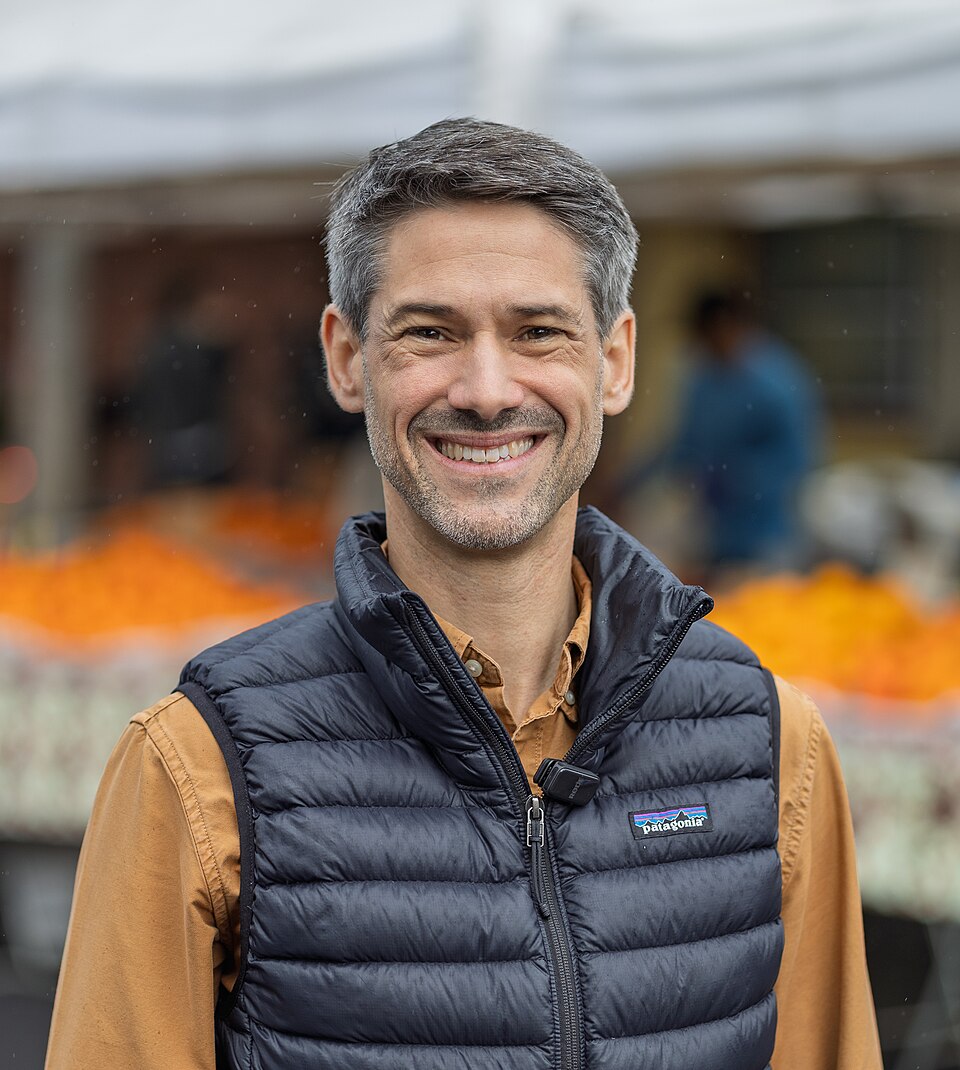
Matt Mahan
Role at the time: Mayor of San Jose and a named defendant in his official capacity, in a statement to KQED
Statement summary
In a statement to KQED on the day the lawsuit was filed, Mayor Matt Mahan said the city has built data privacy and security measures into its plate reader system, including regular deletion of data not used in an investigation. He said fear of new tools should not get in the way of public safety and said the system is a big part of the reason the city has solved 100 percent of homicides over the past three years.
“built in robust data privacy and security measures throughout our ALPR system, including regular deletion of collected data that is not being actively used in an investigation ... While we take seriously our responsibility for data privacy and security, we can’t let fear of new tools get in the way of the safety of our families, especially given that this system is a big part of the reason we’ve solved 100% of homicides over the past three years”
KQED's report on the day the lawsuit was filed. It summarizes the complaint, quotes ACLU of Northern California staff attorney Nick Hidalgo and CAIR's Zahra Billoo, says the city attorney's office did not respond and the police department declined to comment, and quotes a statement from Mayor Matt Mahan defending the system.
Archived copy (opens in a new tab)Why we used this label
The reference point is the San Jose Police Department's practice of querying the city's stored license plate reader data without a warrant. Mahan, a named defendant, says the system has strong privacy safeguards and that fear of new tools should not get in the way of safety, which defends the city's use of the system the lawsuit challenged, so we used Defended or excused. The closest competing label is Mixed or conditional, because he says the city takes its privacy responsibility seriously; it loses because that point supports his defense of the system rather than limiting it. He does not address the warrant question by name.