
Law professor Matthew Tokson calls the opinion "A major ruling" that applies Chatrie to extensive camera networks
Matthew ToksonProfessor of law at the University of Utah S.J. Quinney College of Law, in his own Bluesky post
Tokson, who writes on the Fourth Amendment and new technologies, wrote on Bluesky on October 3, 2026 that the court applied Chatrie to conclude that extensive camera networks engage in unlawful surveillance, and called it "A major ruling." He linked the opinion on CourtListener.
Responding to
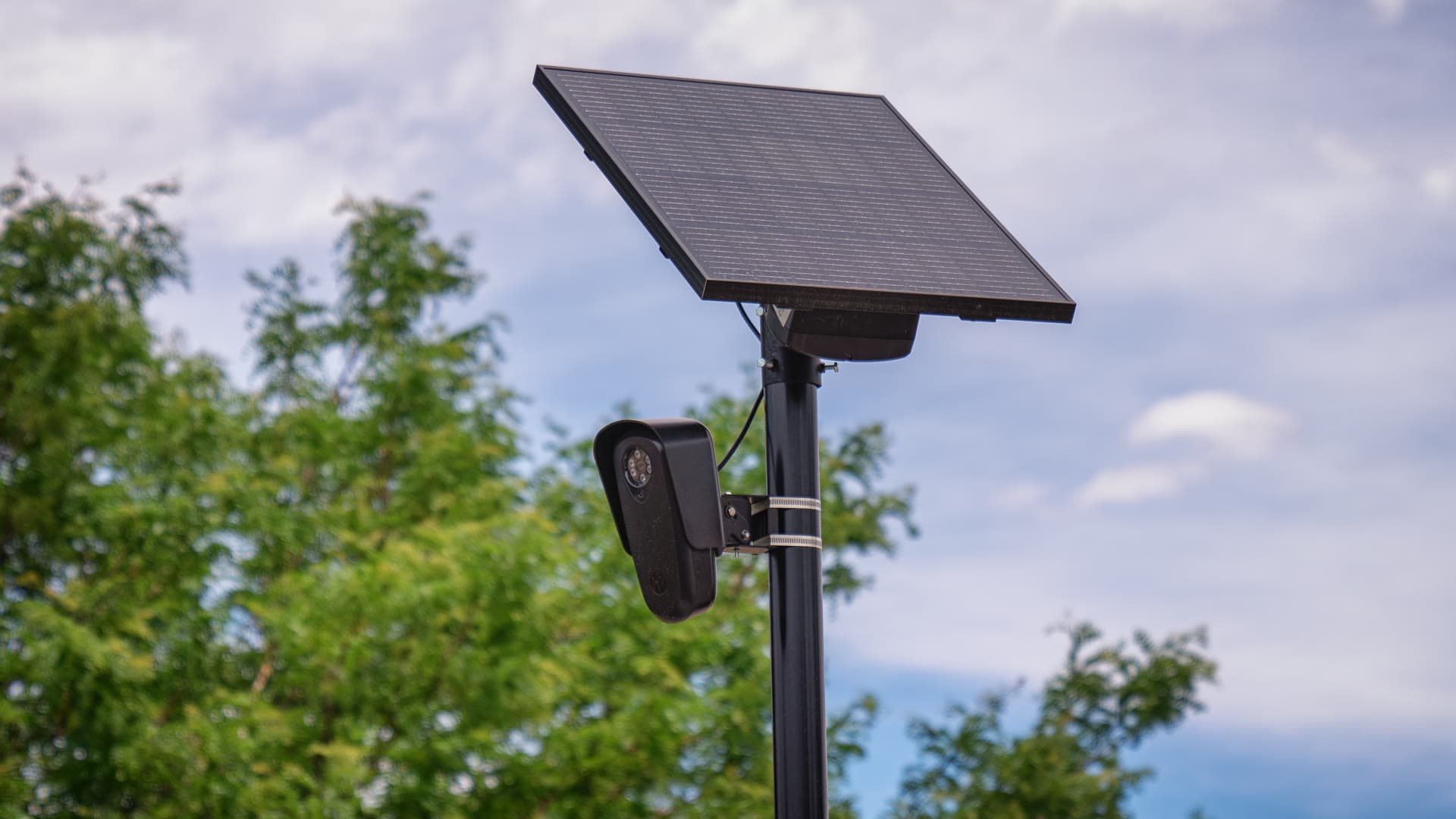
A Tulsa County deputy's warrantless query of the Flock and VehicleManager plate-reader databases for the historical locations of a Mazda with a California plate, which returned more than 50 records across several states over about a month, was a search under the Fourth Amendment that was not supported by probable cause and violated Melisa Kyle's Fourth Amendment rights.
“A federal district judge just declared that Flock camera systems violate the Fourth Amendment! Applying Chatrie, the court concludes that extensive camera networks engage in unlawful "indiscriminate mass surveillance." A major ruling.”
Original post
Where this statement fits
Did a deputy's warrantless query of Flock license-plate data violate the Fourth Amendment, as a federal judge in Oklahoma ruled?
On October 1, 2026, U.S. District Judge Sara E. Hill of the Northern District of Oklahoma held in United States v. Kyle that a Tulsa County deputy's warrantless query of the Flock and VehicleManager license-plate-reader databases was a search that violated the Fourth Amendment. The deputy, Freddie Alaniz, ran the query on a Mazda with a California plate in May 2026 and got more than 50 records of its location over about a month across several states. He reviewed that history while questioning the driver, Melisa Kyle. Judge Hill gave two independent grounds for suppression: the query, which led her to suppress all evidence obtained after it began, and Alaniz's extension of the traffic stop without reasonable suspicion. The U.S. Attorney's Office had argued that plates on public roads are in plain view and carry no Fourth Amendment privacy interest. Flock Safety says the ruling goes against the weight of authority, is limited to its facts and expects it to be overturned on appeal. The opinion is one district court's decision in a criminal case. Kyle is charged, and no court has decided whether she committed the offense. As of October 4, 2026, the docket shows no notice of appeal.
Source and context
Original post
About this source
A post by Matthew Tokson, a University of Utah law professor who writes on the Fourth Amendment and new technologies, reacting to the opinion and linking to it.
Before the quotation
The opinion had been public since October 1, 2026 and was reported by 404 Media on October 2. Tokson posted a link to the opinion on CourtListener.
After the quotation
The opinion's holding concerns the query Alaniz ran for one vehicle's historical records. It does not say that every Flock system or camera is unconstitutional, and Judge Hill wrote that ALPR technology "does not provide the same precision in location information as cell phones."
How this statement is classified
The label describes this statement's response within the context above.
Why this label?
The reference point is the proposition that the warrantless query was a search that violated the Fourth Amendment. Tokson endorses the court's conclusion and calls it "A major ruling", so we used Condemned. His summary is broader than the holding, which concerns one query of one vehicle's records, and we record his position on the ruling and not the breadth of his wording. The closest competing label is Mixed or conditional, which loses because he states no condition or reservation.
- Recorded on
- Published here
More from this case
Read the full caseFlock Safety says the ruling "goes against the overwhelming weight of authority" and that it expects the ruling to be "appealed and ultimately overturned"
Flock Safety
“Flock was not a party to this case. The ruling goes against the overwhelming weight of authority in similar cases across the country, including multiple recent decisions in Oklahoma, and we expect it will be appealed and ultimately overturned. This ruling is limited to the specific facts of this case. It does not set controlling precedent and does not affect law enforcement agencies’ continued use of these important public safety technologies.”Read statement
Institute for Justice lawyer Michael Soyfer calls the opinion "extremely important" and says earlier courts were "way too myopic"
Institute for Justice
“The opinion is pretty amazing. It recognizes one thing that courts ignore which is the sheer breadth of these systems, that they collect so much information about so many people in a way that sets them apart. This decision ascribes appropriate weight to the fact police are building out this massive database that can reveal incredibly intimate details of people’s lives … It’s extremely important. The way courts have resolved these cases previously has been way too myopic and has ignored the depths of these systems and the sweeping modes of surveillance that allow police to reconstruct the movements of anyone in the country.”Read statement
The district court holds the deputy's plate-reader query "was a search under the Fourth Amendment" done "without a warrant"
United States District Court for the Northern District of Oklahoma
“This is a type of indiscriminate mass surveillance. It is not targeted on a single individual, as in Carpenter. It is a tool that collects information about all vehicles that pass by any network-connected camera at all times, and it serves up the information to law enforcement on demand. … The Court finds that because the ALPR systems Alaniz used to search Kyle’s historical location information intruded on her reasonable expectation of privacy in the whole of her physical movements, it was a search under the Fourth Amendment. Based on the information in the record, the only reason Alaniz conducted that search was because he saw her license plate was from California. That search was not supported by probable cause, and it was done without a warrant in violation of Kyle’s Fourth Amendment rights.”Read statement
Cite this record
- Publisher
- The Dispute Index
- Title
- Law professor Matthew Tokson calls the opinion "A major ruling" that applies Chatrie to extensive camera networks
- First published
- Last updated
- Permalink
- https://disputeindex.com/events/4535-tokson-who-writes-on-the-fourth-amendment-and
Last updated marks the most recent saved version of this published statement.
The Dispute Index. "Law professor Matthew Tokson calls the opinion "A major ruling" that applies Chatrie to extensive camera networks". First published: 2026-10-04. Last updated: 2026-10-04. https://disputeindex.com/events/4535-tokson-who-writes-on-the-fourth-amendment-and